• Skip to main content
  • Skip to footer

The British Association of Prosthetists and Orthotists

  • About Us
    • Who are BAPO?
    • Who are Prosthetists and Orthotists?
    • Office Bearers
    • Staff
    • Committees
      • Executive Committee (EC)
      • Education Committee
      • Editorial Committee
      • Professional Affairs Committee
      • Research Committee
      • Technician and Support Worker Committee
    • BAPO’s Patron
    • BAPO Partner Programme
    • BAPOConnect
      • Submit an article
      • Advertise in BAPOConnect
    • Advertise with us
      • Advertise products and services
      • Advertise job vacancies
    • Contact Us
  • Membership
    • BAPO Membership
    • Members Area
    • Insurance
    • Learners
  • Events
    • Awards
      • BAPO P&O Awards 2025
      • Previous Award Winners
      • Orthotist of the Year
      • Prosthetist of the Year
      • Advancing Healthcare Awards
        • Previous Advancing Healthcare Winners
    • BAPO Courses & Webinars
      • Short Courses & Webinars
      • Tech and Trends
      • Teatime Talks
    • BAPO Regional Conferences
      • SAVE THE DATE! BAPO Regional Conference – Glasgow 21/11/2025
    • Events Calendar
    • P&O Day 2025
    • Past Conferences
      • Cardiff 2024
      • West Midlands 2024
      • Wigan 16/05/2025
  • Resources
    • Advancing Practice
    • BAPO’s Standards, Policies, and Guides
    • Early Career Support
    • Equality Diversity and Inclusion (EDI)
    • Education Resources
      • The Educator Workforce
      • BAPO Learner Hub
      • BAPO Simulation
    • Locum and Private Practice Register
    • Mental Health and Wellbeing Support
    • Mentoring
    • National guidance, policies, and strategies
    • OETT Orthotic Education & Training Trust
    • Charities supporting the prosthetic and orthotic user
    • Public Health
    • Research Resources
    • Resources for employers
  • Campaigns
    • Legs Matter
    • Sustainability
    • Prescribing Rights
  • Careers
    • Careers
    • Career Outreach Team
    • Career Changers
    • Career Information for Schools and Colleges
    • Apprenticeships
    • Jobs in P&O
    • Places to Study
    • Return to Practice
    • Support Workers and Technicians
    • Work Experience in Prosthetics and Orthotics
  • Education
    • Education Resources
    • Early Career Support
    • BAPO Learner Hub
    • Short Courses & Webinars
    • Tech and Trends
    • Teatime Talks

News

15th January 2025 by axiadigital

Educator Resources

AHP Educator Career Framework
Allied-Health-Professions-Educator-FrameworkDownload
BAPO National PO Practice Based Learning Framework
BAPO National PO Practice Based Learning FrameworkDownload
Practice-based learning framework for pre-registration prosthetic and orthotic learners
BAPO National PO Practice Based Learning FrameworkDownload
Support Worker Framework
BAPO Support worker framework for the prosthetic and orthotic workforceDownload
Curriculum guidance – For the pre-registration education of prosthetists and orthotists
Curriculum guidance finalDownload
Apprentice Expectations
Apprentice expectationsDownload
Educator Expectations
Educators expectationsDownload
Higher Education Expectations
Higher Education expectationsDownload
Support Worker Introductory Presentations
Equality, Diversity, and Inclusion (EDI)
BAPO Learner Hub
Webinars

BAPO Simulated Escape Room

Welcome to the BAPO simulated escape room. This is an open access resource, and anyone can view and complete this simulation challenge.

The target audience are learners going into practice-based learning settings for the first time and is applicable to both student and apprentice learners. Others may also be interested in completing this simulation challenge for CPD and refreshers on the topics covered.

The escape room is centred around 4 topics:

  1. Confidentiality and sharing information
  2. Data Breaches
  3. Communication
  4. Record keeping.

For learners, this simulation room is designed to complement and support the mandatory training provided by your Higher education provider. 

You may also find it useful to use your eLearning for Health (elfh) account to further supplement your learning or CPD https://www.e-lfh.org.uk/  
View BAPO Simulated Escape Room
View the accessible simulation scenario here

Filed Under: News

15th January 2025 by axiadigital

The Practice Educator Network

Welcome to the BAPO Practice Educators Network

Welcome to the BAPO Practice Educators Network, a dedicated community for practice educators committed to excellence in healthcare education. Our mission is to support, inspire, and connect educators across the prosthetics and orthotics, fostering a collaborative environment where knowledge and best practices are shared.

Who We Are

The Practice educator network is a diverse group of clinical educators from various specialties and backgrounds, united by our passion for helping learners prepare for the world of work in prosthetics and orthotics. The Practice Educator Network of the British Association of Prosthetics and Orthotics has been established to provide a network of support and learning for practice educators in prosthetics and orthotics.

The network is open to join for BAPO members and non-members and its resources are available to everyone, NHS & non-NHS staff alike.

Join Us

Become a part of our vibrant community and contribute to the future of healthcare education for prosthetics and orthotics. Whether you are an experienced educator or new to the field, the BAPO Practice Educators Network offers valuable opportunities for growth and collaboration.

Contact Us

For more information or to join our network, please contact us at enquiries@bapowp.axia.support or submit your interest below.

I’m interested in joining the Practice Educator Network!

Filed Under: News

15th January 2025 by axiadigital

HCPC Year in Registration report 2024

Highlights from the 2024 Survey:

  • Perception of Programmes: Respondents continue to describe their programmes positively, with words like “supportive,” “thorough,” and “valuable.” 78% agreed their programme prepared them well for practice.
  • Interprofessional Education: While 70% acknowledged its importance, 8% reported no engagement with other professional groups, highlighting an area for improvement.
  • Service User Engagement: There has been a notable improvement in service user involvement, reflecting efforts to enhance this area.
  • Practice-Based Learning: 80% agreed their practice-based learning effectively developed the skills and knowledge needed for professional practice. Respondents also found the requirements of practice-based learning clear.
  • Preceptorship Support:
    • Mixed experiences, with some feeling unsupported, especially in the early months, impacting mental health.
    • 28% reported not having a structured learning period, though this is a 6% improvement from last year.
    • Preceptorship periods remain short for some, with 27% reporting durations of 1-3 months or less.
  • Alignment with Learning Objectives: 67% agreed their academic work aligned with learning objectives, slightly lower than in 2023, partly due to staffing challenges in education providers.
  • Artificial Intelligence: Many respondents reported minimal interaction with AI during their studies, highlighting potential gaps in integrating emerging technologies.

Next Steps:

We are using these findings to guide our performance review process, encouraging education providers to reflect on specific areas of improvement. These insights will continue to shape our quality assurance work, ensuring education aligns with our public protection remit.

For more detailed information, you can read the full report.

HCPC Year In Registration Survey Report (2024) -Final

Filed Under: News

14th January 2025 by axiadigital

Job Advert – Daceys – Orthotist – Bristol, Swindon and Wiltshire

Click here to view job advert

Filed Under: Jobs, News

13th January 2025 by axiadigital

Job Advert – TayCare – Graduate Orthotist – Leeds

Click here to view job advert

Filed Under: Jobs, News

13th January 2025 by axiadigital

Preparing for jobs in prosthetics and orthotics

BAPO is delighted to provide a guide to help learners, graduates, people returning to practice, international recruits, and people planning to take the next step in their career prepare to apply for jobs in prosthetics and orthotics. Our learners told us what resources they needed, and we have responded

Preparing to apply for jobs in prosthetics and orthoticsDownload

Filed Under: News

10th January 2025 by axiadigital

Job Advert – Wirral University Teaching Hospital NHS Foundation Trust – Lead Orthotist – Upton

Click here to view job advert

Filed Under: Jobs, News

10th January 2025 by axiadigital

Job Vacancy – Fitness to Practice panel member

Panel Member advertDownload

Filed Under: Jobs, News

3rd January 2025 by axiadigital

BAPO Clinical Notes Audit Questions 2023

BAPO Clinical Notes Audit Questions FINAL Feb 2023

Filed Under: News, Professional Affairs

2nd January 2025 by axiadigital

Advanced Practice

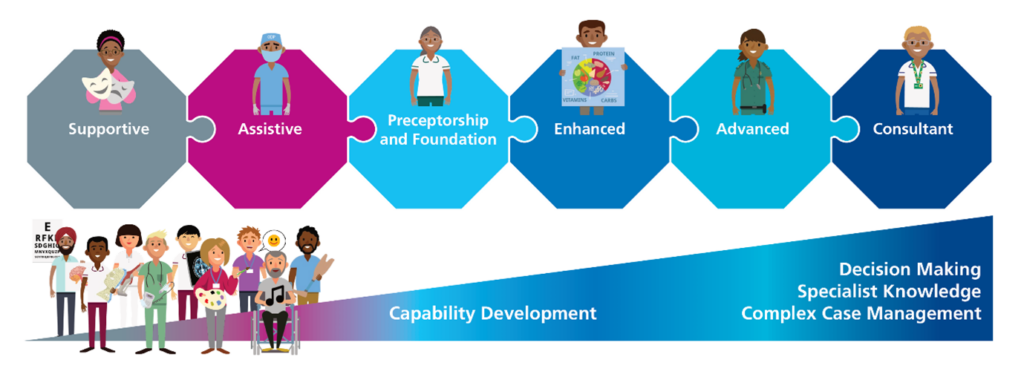
Source: Reproduced from NHS England

Resources

Advanced practice infographic 2Download
Patient Group Directions
Patient Group DirectionsDownload
Advanced Practice in Prosthetics and Orthotics

BAPO-Advanced-Practice-in-Prosthetics-and-Orthotics-compressed-1.pdf

IRMER Guidance
IRMER Guidance Main
IRMER Guidance Appendix
Advanced Practice for prosthetists and orthotists
Advanced Practice for P&ODownload
Advanced Practice for employers
Advanced Practice for employersDownload
Regional support for Advancing Practice 

NHS England has made a significant investment in the formation of a multi-professional Faculty in each of its seven regions, to drive change at a local level.  The teams offer information and advice on all aspects of Advancing Practice, including how to access funding and the level of support available for supervisor costs:

Guidance and resources – Advanced Practice (hee.nhs.uk)   – North East and Yorkshire

Midlands Guidance and Resources – Advanced Practice (hee.nhs.uk) – Midlands

Regional Faculty for Advancing Practice – North West – Advanced Practice (hee.nhs.uk) – North West

Guidance and resources – Advanced Practice (hee.nhs.uk) – East Midlands

London Faculty Guidance, Tools and Resources – Advanced Practice (hee.nhs.uk) – London

South West Resources – Advanced Practice (hee.nhs.uk) – South West

Tools and resources – Advanced Practice (hee.nhs.uk) – South East

Regional Faculties for Advancing Practice – Advanced Practice (hee.nhs.uk)


Frequently Asked Questions (FAQs)

General

What is the difference between enhanced and advanced practice?

Enhanced and advanced practice are different levels of professional practice. At each level of practice, a health and care professional’s ability to handle complexity and risk increases.
 
At an enhanced level of practice, practitioners will have additional knowledge and skills in a field of expertise. They will manage discrete aspects of a patient’s care, often particular to specific conditions and groups of patients.
 
At an advanced level of practice practitioners will have developed their knowledge, skills and expertise in their area of practice even further. They will be able to manage the whole episode of a patient’s care from the time they first present, through to the end of the episode.

What is the difference between an ‘advanced practitioner’ and an ‘advanced clinical practitioner’?

Advanced practice is a level of professional practice rather than a job title. In practice, a variety of titles, often interchangeable, are used for practitioners who practise at an advanced level. They include ‘advanced practitioner’ and ‘advanced clinical practitioner’.
 
‘Advanced clinical practitioner’ is sometimes used for advanced practice roles in specific clinical areas or for advanced practice roles which cut across care pathways and professional boundaries and utilise the knowledge and skills of practitioners from a range of different professional backgrounds.


Prosthetists and orthotists

How do I become an advanced practitioner?

Education and training in advanced practice is undertaken by health and care professionals with substantial professional experience. They will have already progressed into roles at the enhanced level of practice, most likely at Agenda for Change Bands 6 or 7, before undertaking training.
 
Advanced practice education and training has developed over time and there will be existing advanced practitioners who have followed different educational pathways in the past.
 
In England, becoming an advanced practitioner now involves being appointed to a trainee advanced practitioner post and completing a Master’s programme in advanced practice. The Master’s programme normally takes three years and involves both academic preparation and clinical preparation in the workplace, allowing the trainee to demonstrate all the required capabilities for advanced practice. Once the programme is completed, the trainee is then employed by their employer as a fully qualified advanced practitioner.

I already have a pre-registration Master’s degree in prosthetics and orthotics. Does this mean I am an advanced practitioner?

No.
 
Some prosthetists and orthotists will have completed a pre-registration Master’s degree in prosthetics and orthotics which allowed them to become registered with the HCPC. Their programme will have developed their academic skills at Master’s level and allowed them to demonstrate the threshold standards of proficiency for entry to the HCPC Register as a prosthetist and orthotist.
 
Any prosthetist and orthotist who has completed pre-registration education and training at degree or Master’s level would need to build their capability and post-registration experience before being appointed to a trainee advanced practitioner position and undertaking an accredited Master’s programme in advanced practice which addresses the required advanced level capabilities across all four pillars of practice.

I already have a post-registration Master’s degree in prosthetics and orthotics. Do I need to complete another Master’s programme if I want to be an advanced practitioner?

Yes.

Some prosthetists and orthotists may have undertaken post-registration Master’s degrees in prosthetics and orthotics or in other profession-focused areas to support their personal and professional development.

If they wanted to become an advanced practitioner, they would still need to complete an accredited Master’s programme in advanced practice that has been mapped to the required capabilities, as outlined above. They might ask the education provider delivering the Master’s programme in advanced practice whether they can receive any credit for their previous Master’s level study. However, that would be a decision made by the education provider at their discretion, based on their policies for accreditation of prior (experiential) learning or ‘AP(E)L’

What is the difference between completing a Master’s in advanced practice and a Master’s in advanced practice degree apprenticeship?

Accredited Master’s programmes in advanced practice are delivered by universities. They are either conventional Master’s programmes or Master’s degree apprenticeship programmes.

Both types of programmes are very similar in content and structure and both will have been mapped against the required advanced-level capabilities across all four pillars of practice.  The main difference is in how the programmes are funded.

Prosthetists and orthotists are unable to prescribe medicines. Does this mean that they cannot become advanced practitioners?

No.

The specific regulated professions that are able to access mechanisms to sell, supply, administer and prescribe medicines is set out in legislation. Prosthetists and orthotists are not currently able to train to become prescribers.

The ability to prescribe is not a requirement for, or an integral part of, advanced

practice education and training and is not a requirement to be able to practise at an

advanced level.

However, we know that employers may sometimes decide that being able to prescribe is an important requirement for specific advanced practice roles and to maximise the usefulness of advanced practitioners to some care pathways. This can limit opportunities for prosthetists and orthotists

Prosthetists and orthotists and their employers are encouraged to make best use of the existing mechanisms available to the profession, including Patient Specific Directions (PSDs) and Patient Group Directions (PGDs).

You can find more information about prescribing and advanced practice here.

What is the purpose of the ePortfolio (supported) route run by the Centre for Advancing Practice? Can I use this to train as an advanced practitioner?

NHS England’s Centre for Advancing Practice runs the ePortfolio (supported) route. This is a time-limited route to recognising existing, experienced advanced practitioners in England who are already in role, but who have completed different qualifications in the past or who completed their training before the Multi-professional framework for advanced practice was first published in 2017.

Eligible applicants are supported to produce a portfolio of evidence to demonstrate their advanced-level capabilities. If successful, they will be issued with a ‘digital badge’, an electronic certification which recognises their achievement at advanced-level.

This is a recognition route only, so is not a way of training to be an advanced practitioner.

How do I become an advanced practitioner?

Education and training in advanced practice is undertaken by health and care professionals with substantial professional experience. They will have already progressed into roles at the enhanced level of practice, most likely at Agenda for Change Bands 6 or 7, before undertaking training.
 
Advanced practice education and training has developed over time and there will be existing advanced practitioners who have followed different educational pathways in the past.
 
In England, becoming an advanced practitioner now involves being appointed to a trainee advanced practitioner post and completing a Master’s programme in advanced practice. The Master’s programme normally takes three years and involves both academic preparation and clinical preparation in the workplace, allowing the trainee to demonstrate all the required capabilities for advanced practice. Once the programme is completed, the trainee is then employed by their employer as a fully qualified advanced practitioner.

I already have a pre-registration Master’s degree in prosthetics and orthotics. Does this mean I am an advanced practitioner?

No.
 
Some prosthetists and orthotists will have completed a pre-registration Master’s degree in prosthetics and orthotics which allowed them to become registered with the HCPC. Their programme will have developed their academic skills at Master’s level and allowed them to demonstrate the threshold standards of proficiency for entry to the HCPC Register as a prosthetist and orthotist.
 
Any prosthetist and orthotist who has completed pre-registration education and training at degree or Master’s level would need to build their capability and post-registration experience before being appointed to a trainee advanced practitioner position and undertaking an accredited Master’s programme in advanced practice which addresses the required advanced level capabilities across all four pillars of practice.

I already have a post-registration Master’s degree in prosthetics and orthotics. Do I need to complete another Master’s programme if I want to be an advanced practitioner?

Yes.

Some prosthetists and orthotists may have undertaken post-registration Master’s degrees in prosthetics and orthotics or in other profession-focused areas to support their personal and professional development.

If they wanted to become an advanced practitioner, they would still need to complete an accredited Master’s programme in advanced practice that has been mapped to the required capabilities, as outlined above. They might ask the education provider delivering the Master’s programme in advanced practice whether they can receive any credit for their previous Master’s level study. However, that would be a decision made by the education provider at their discretion, based on their policies for accreditation of prior (experiential) learning or ‘AP(E)L’

What is the difference between completing a Master’s in advanced practice and a Master’s in advanced practice degree apprenticeship?

Accredited Master’s programmes in advanced practice are delivered by universities. They are either conventional Master’s programmes or Master’s degree apprenticeship programmes.

Both types of programmes are very similar in content and structure and both will have been mapped against the required advanced-level capabilities across all four pillars of practice.  The main difference is in how the programmes are funded.

Prosthetists and orthotists are unable to prescribe medicines. Does this mean that they cannot become advanced practitioners?

No.

The specific regulated professions that are able to access mechanisms to sell, supply, administer and prescribe medicines is set out in legislation. Prosthetists and orthotists are not currently able to train to become prescribers.

The ability to prescribe is not a requirement for, or an integral part of, advanced

practice education and training and is not a requirement to be able to practise at an

advanced level.

However, we know that employers may sometimes decide that being able to prescribe is an important requirement for specific advanced practice roles and to maximise the usefulness of advanced practitioners to some care pathways. This can limit opportunities for prosthetists and orthotists

Prosthetists and orthotists and their employers are encouraged to make best use of the existing mechanisms available to the profession, including Patient Specific Directions (PSDs) and Patient Group Directions (PGDs).

You can find more information about prescribing and advanced practice here.

What is the purpose of the ePortfolio (supported) route run by the Centre for Advancing Practice? Can I use this to train as an advanced practitioner?

NHS England’s Centre for Advancing Practice runs the ePortfolio (supported) route. This is a time-limited route to recognising existing, experienced advanced practitioners in England who are already in role, but who have completed different qualifications in the past or who completed their training before the Multi-professional framework for advanced practice was first published in 2017.

Eligible applicants are supported to produce a portfolio of evidence to demonstrate their advanced-level capabilities. If successful, they will be issued with a ‘digital badge’, an electronic certification which recognises their achievement at advanced-level.

This is a recognition route only, so is not a way of training to be an advanced practitioner.

Webinar

Filed Under: News

  • « Go to Previous Page
  • Page 1
  • Interim pages omitted …
  • Page 17
  • Page 18
  • Page 19
  • Page 20
  • Page 21
  • Interim pages omitted …
  • Page 80
  • Go to Next Page »

Footer

Search

  • Facebook
  • X
  • LinkedIn
  • Instagram

Recent Posts

  • 10 Year Workforce Plan – call for evidence document
  • Global collaboration for global challenges 🌍
  • Job advert – AM Healthcare – Senior Orthotist – Bristol
  • Seeking input from a female prosthetist to be involved with a research study design 
  • Disseminating an ISPO Webinar: Explore the Biomechanical Impact of Lower Limb Orthotics

Copyright © 2026 · The British Association of Prosthetists and Orthotists